- Resilient textures and lasting beauty alongside yeadoncarpets.co.uk define modern interiors
- Understanding the Importance of Pile Height and Density
- The Role of Fiber Type in Overall Performance
- Exploring Different Carpet Weave Structures
- Understanding the Benefits of Tufting and Woven Carpets
- The Impact of Underlay on Carpet Performance
- Choosing the Right Underlay for Different Flooring Types
- Maintaining Carpet Cleanliness for Longevity
- The Evolving Trends in Sustainable Carpeting Solutions
Resilient textures and lasting beauty alongside yeadoncarpets.co.uk define modern interiors
The world of interior design is constantly evolving, driven by a desire for spaces that are both aesthetically pleasing and functionally robust. Consumers are increasingly seeking materials that not only look beautiful but also stand the test of time, resisting the wear and tear of daily life. This pursuit of lasting quality often leads them to explore premium options, and a name frequently surfacing in these considerations is yeadoncarpets.co.uk. Their reputation for providing durable and visually appealing flooring solutions has established them as a key player in the market.
Choosing the right flooring is a significant investment, impacting not only the look and feel of a room but also its overall value. Considerations extend beyond simple aesthetics, encompassing factors such as foot traffic, potential for staining, ease of maintenance, and, crucially, longevity. Modern homeowners and businesses demand flooring that can withstand the pressures of a busy environment while maintaining its original charm. This is where the expertise and product range offered by companies like yeadoncarpets.co.uk come into sharp focus, guiding customers towards informed decisions that align with their specific needs and preferences.
Understanding the Importance of Pile Height and Density
When selecting a carpet, the terms ‘pile height’ and ‘pile density’ are often encountered, yet their significance isn’t always fully understood. Pile height refers to the length of the carpet fibers, directly impacting the texture and feel underfoot. A higher pile generally offers a plusher, more luxurious experience, but can be more susceptible to matting and crushing in high-traffic areas. Conversely, a lower pile is typically more durable and easier to maintain, making it ideal for hallways, stairs, and commercial spaces. Considering the intended use of the room is therefore paramount. For a bedroom, a higher pile might provide the desired comfort, while a busy family room would benefit from a more resilient, lower pile construction.
The Role of Fiber Type in Overall Performance
Beyond pile height, the type of fiber used in the carpet plays a critical role in its performance characteristics. Wool carpets are renowned for their natural resilience, warmth, and ability to resist staining, but they can be more expensive than synthetic alternatives. Nylon carpets offer exceptional durability and stain resistance, making them a popular choice for high-traffic areas. Polyester carpets are known for their affordability and vibrant color options, while polypropylene carpets are highly resistant to moisture and fading, suitable for both indoor and outdoor use. Understanding the strengths and weaknesses of each fiber type allows consumers to make informed choices based on their lifestyle and budget. Choosing the right fiber is vital for ensuring your carpet remains looking its best for years to come.
| Fiber Type | Durability |
|---|---|
| Wool | High |
| Nylon | Very High |
| Polyester | Moderate |
| Polypropylene | Moderate to High |
The selection process doesn’t end with fiber type; factors such as twist level, which refers to the number of twists per inch of yarn, also contribute to a carpet’s resilience and resistance to unraveling. A higher twist level generally indicates a more durable carpet, better able to withstand wear and tear. This subtle detail, often overlooked, can significantly impact the longevity of your flooring investment.
Exploring Different Carpet Weave Structures
Carpet isn’t simply a uniform surface; various weave structures contribute to its texture, appearance, and performance. Loop pile carpets, characterized by uncut loops of yarn, offer excellent durability and are often a cost-effective option. They tend to hide dirt and wear well, making them suitable for busy areas. Cut pile carpets, on the other hand, have the yarn ends cut, creating a softer, more luxurious feel. Within the cut pile category, variations like plush, velvet, and Saxony offer different levels of formality and texture. Plush carpets are dense and soft, providing a comfortable surface, while velvet carpets have a very low pile and a smooth, lustrous appearance. Saxony carpets feature a slightly twisted pile, creating a textured surface that helps to conceal footprints and vacuum marks. These different weaves provide unique aesthetic qualities alongside varying levels of durability.
Understanding the Benefits of Tufting and Woven Carpets
The method of carpet construction also influences its quality and longevity. Tufted carpets are the most common type, created by inserting yarn into a primary backing material. They’re relatively quick and inexpensive to produce, making them a popular choice for a wide range of budgets. Woven carpets, however, are produced on a loom, interlacing the warp and weft yarns to create a more robust and durable structure. Woven carpets are generally considered to be of higher quality and offer superior longevity, but they are also more expensive to manufacture. Understanding the difference between tufted and woven carpets empowers consumers to make informed decisions based on their needs and budget. Both methods have their place, and the optimal choice depends on the specific application and desired level of performance.
- Loop pile carpets are very durable and hide dirt well.
- Cut pile carpets provide a softer, more luxurious feel.
- Saxony carpets are textured and hide footprints.
- Tufted carpets are generally more affordable.
Ultimately, the weave structure impacts not only how the carpet feels but also how well it resists wear, stains, and fading. A well-chosen weave, coupled with the appropriate fiber type, can ensure that your carpet remains a beautiful and functional part of your home for many years.
The Impact of Underlay on Carpet Performance
Often underestimated, the carpet underlay is a critical component of any flooring system. It’s the layer installed beneath the carpet that provides cushioning, extends the carpet’s lifespan, and improves its overall performance. A high-quality underlay offers significant benefits, including enhanced comfort underfoot, reduced noise transmission, and improved insulation. Different underlay materials are available, each with its own unique properties. Foam underlay is a cost-effective option that provides good cushioning and sound absorption. Rubber underlay offers superior durability and resilience, making it ideal for high-traffic areas. Felt underlay, often made from recycled materials, provides excellent insulation and is a more environmentally friendly choice. Selecting the appropriate underlay is crucial for maximizing the benefits of your carpet investment.
Choosing the Right Underlay for Different Flooring Types
The type of underlay needed will vary depending on the type of carpet being installed and the specific requirements of the room. For example, a heavy-duty underlay is recommended for carpets in high-traffic areas or for use with heavier pile carpets. A lighter-weight underlay may be sufficient for carpets in low-traffic areas or for use with thinner pile carpets. It’s also important to consider the floor beneath the carpet. If installing carpet over concrete, a moisture barrier underlay is essential to prevent mold and mildew growth. Ignoring the underlay can lead to premature carpet wear and reduced comfort. It is a key element of ensuring a long-lasting and comfortable flooring solution.
- Choose foam underlay for good cushioning and sound absorption.
- Select rubber underlay for superior durability and resilience.
- Opt for felt underlay for excellent insulation and eco-friendliness.
- Consider moisture barrier underlay for concrete subfloors.
Investing in a quality underlay is not an expense to be minimized. It is a crucial investment that protects your carpet, enhances its comfort, and contributes to the overall longevity of your flooring system. Proper installation is also vital; even the best underlay won’t perform optimally if it’s not installed correctly.
Maintaining Carpet Cleanliness for Longevity
Even the most durable carpets require regular maintenance to preserve their beauty and extend their lifespan. Vacuuming is the most important step in carpet care, removing dirt, dust, and debris that can abrade the fibers and cause premature wear. Regular vacuuming, ideally at least once a week, prevents the buildup of these abrasive particles. Spot cleaning is also essential to address spills and stains promptly. Using a carpet stain remover specifically designed for the carpet fiber is crucial; harsh chemicals can damage the fibers and cause discoloration. In addition to vacuuming and spot cleaning, professional carpet cleaning should be performed periodically, typically every 12-18 months, to remove deeply embedded dirt and allergens. Professional cleaning utilizes specialized equipment and techniques to effectively refresh the carpet and restore its appearance.
Preventative measures can also significantly reduce the need for intensive cleaning. Using doormats at entrances helps to trap dirt and debris before they can be tracked onto the carpet. Encouraging guests to remove their shoes can also minimize the amount of dirt brought into the home. Furthermore, rotating area rugs can help to distribute wear evenly and prevent localized damage. Taking these proactive steps can significantly extend the life of your carpet and maintain its pristine condition. A little care goes a long way in preserving your investment.
The Evolving Trends in Sustainable Carpeting Solutions
The growing awareness of environmental issues has spurred a significant shift towards sustainable carpeting solutions. Consumers are increasingly seeking flooring options that are made from renewable resources, recycled materials, and manufactured using environmentally responsible processes. This demand has led to the development of innovative carpet materials such as carpets made from recycled plastic bottles, wool sourced from sustainable farms, and backing materials made from recycled rubber. Companies like yeadoncarpets.co.uk are responding to this trend by expanding their offerings to include eco-friendly options. These sustainable carpets not only reduce environmental impact but also offer comparable performance and aesthetics to traditional carpets. The focus on sustainability is a growing trend that's set to become more prominent in the flooring industry.
Furthermore, advancements in carpet manufacturing are reducing waste and minimizing energy consumption. Technologies like closed-loop recycling systems, where carpet waste is collected and repurposed into new carpet materials, are gaining traction. The demand for transparency in the supply chain is also increasing, with consumers wanting to know the origin of the materials used in their carpets and the environmental impact of their production. This push for greater sustainability is transforming the carpet industry, creating a future where flooring solutions are both beautiful and environmentally responsible. By choosing sustainable options, consumers can contribute to a healthier planet while enjoying the comfort and style of a beautiful carpet.
-
Sale!
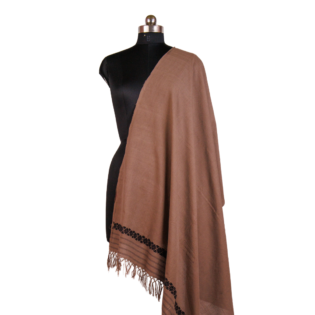
Cotton Dupatta Plain in Chocolate Brown
₹1,299.00Original price was: ₹1,299.00.₹999.00Current price is: ₹999.00. -
Sale!
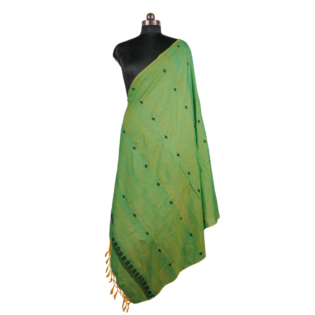
Cotton Dupatta Black Floral Motif in Green
₹1,299.00Original price was: ₹1,299.00.₹999.00Current price is: ₹999.00. -
Sale!
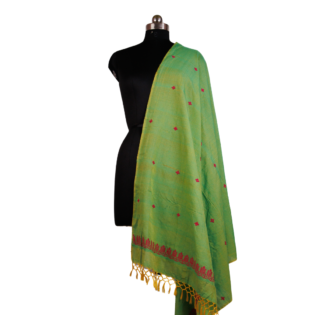
Cotton Dupatta Red Floral Motif in Green
₹1,299.00Original price was: ₹1,299.00.₹999.00Current price is: ₹999.00. -
Sale!
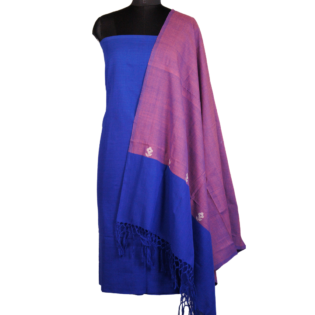
Cotton Kurta Set White Floral Motif in Dark Blue & Purple
₹2,450.00Original price was: ₹2,450.00.₹1,999.00Current price is: ₹1,999.00.
Serene escapes and https://theluckyhills-au.com promise unforgettable Australian adventures
Serene escapes and https://theluckyhills-au.com promise unforgettable Australian adventures The Allure of Coastal Retreats in Australia Choosing the Right Coastal Location Exploring the Outback: Red Earth and Ancient Wonders Responsible Outback
Geweldige uitrusting voor ijsvissen met https://icefishingslots.nl en tips voor succesvolle dagen op het ijs
Geweldige uitrusting voor ijsvissen met https://icefishingslots.nl en tips voor succesvolle dagen op het ijs De juiste hengel voor ijsvissen: een overzicht Onderhoud van je ijsvishengel Warme kleding: essentieel voor een
Paleontologen bestuderen de unieke anatomie van de Spino rhino en zijn uitgestorven leefgebied
Paleontologen bestuderen de unieke anatomie van de Spino rhino en zijn uitgestorven leefgebied De Anatomie van een Unieke Verschijning De Tandstructuur en Voedingsgewoonten Het Uitgestorven Leefgebied Klimaat en Vegetatie van